Sigiriya
A fifth-century palace on top of a rock, and the water gardens below it.


Sri Lanka's oldest stories are still alive.
From sacred cities and ancient reservoirs to rock fortresses and living Buddhist traditions, Sri Lanka's history isn't kept behind glass. Monks still walk to shrines their predecessors walked to sixteen centuries ago, and the tanks that watered the old capitals still water the rice.
We travel this region slowly — with time to understand the stories behind the stones, and enough room in the day to stop when something deserves it.
A fifth-century palace on top of a rock, and the water gardens below it.
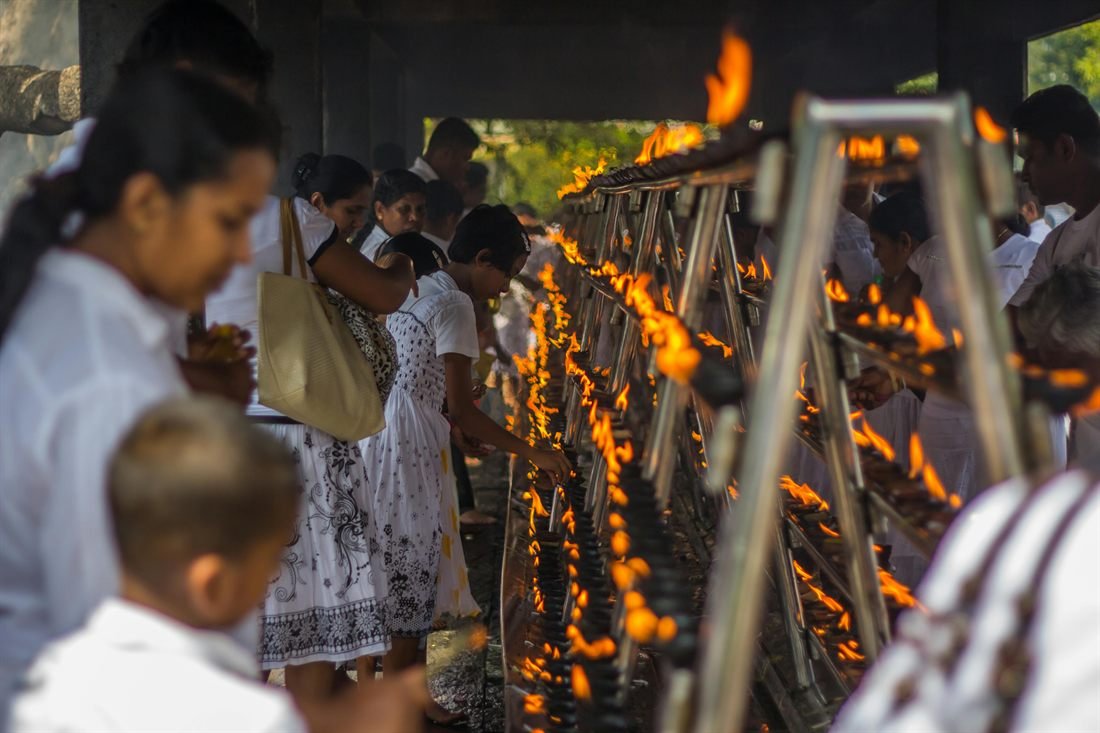
The island's first capital — still a working pilgrimage city, not a ruin.
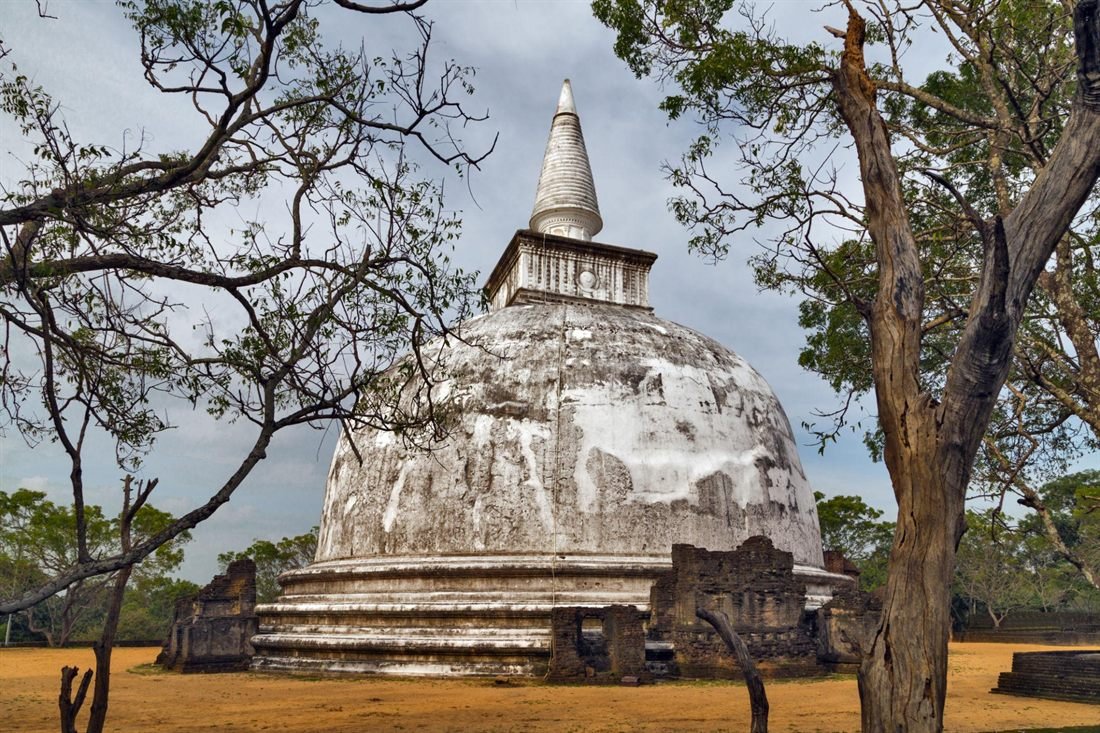
Compact, walkable, and best seen from a bicycle in the early morning.
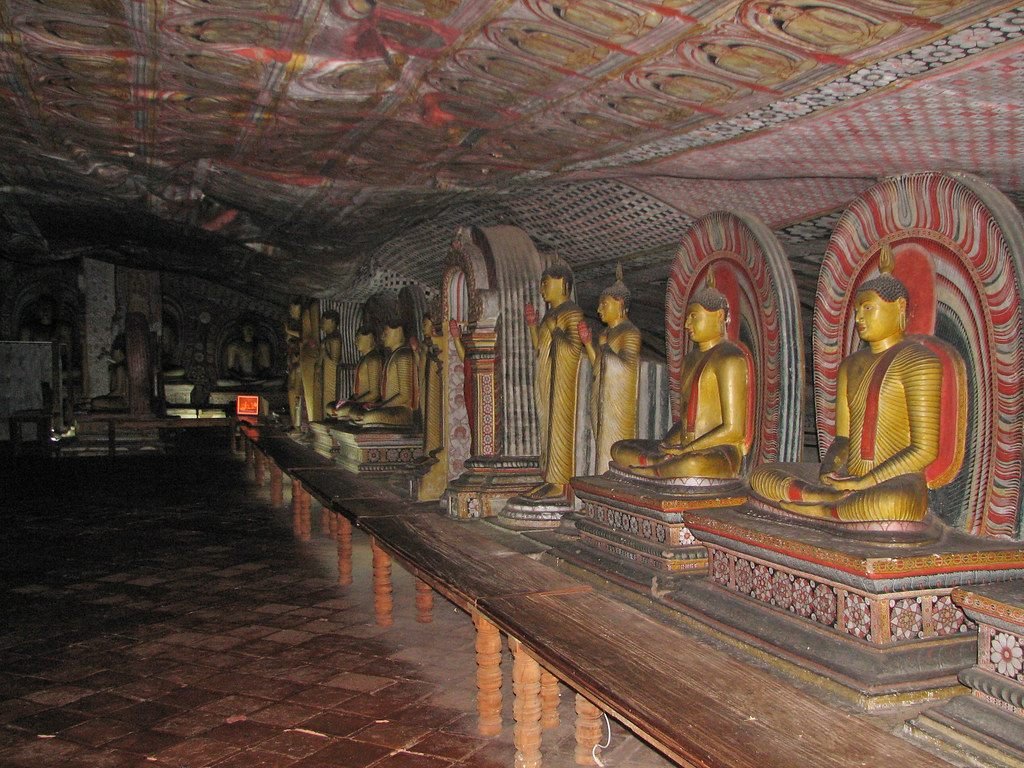
Five cave temples under an overhang, painted continuously for two millennia.
The last royal capital, and the temple at the centre of the island's calendar.
Reservoirs engineered before the Roman aqueducts, and still in daily use.
The parts of this collection our travellers describe first when they get home.
On the rock at opening, ahead of the coach groups and the heat.
The sacred city while it belongs to pilgrims rather than visitors.
Between the ruins on quiet paths, at the pace the site was built for.
Painted ceilings that follow the curve of the rock above you.
Lunch cooked and eaten where the reservoir still sets the farming year.
Discover is the idea. Experiences are how it actually gets built into your days.
May to September, when the dry zone settles and mornings stay clear.
Also possible. December to March also works well — cooler air, with the occasional afternoon shower.
Start with what inspires you. We'll build the route, accommodation and pace around it.
Sri Lanka's oldest stories are still alive.
From sacred cities and ancient reservoirs to rock fortresses and living Buddhist traditions, Sri Lanka's history isn't kept behind glass. Monks still walk to shrines their predecessors walked to sixteen centuries ago, and the tanks that watered the old capitals still water the rice.
We travel this region slowly — with time to understand the stories behind the stones, and enough room in the day to stop when something deserves it.
A fifth-century palace on top of a rock, and the water gardens below it.
The island's first capital — still a working pilgrimage city, not a ruin.
Compact, walkable, and best seen from a bicycle in the early morning.
Five cave temples under an overhang, painted continuously for two millennia.
The last royal capital, and the temple at the centre of the island's calendar.
Reservoirs engineered before the Roman aqueducts, and still in daily use.
The parts of this collection our travellers describe first when they get home.
On the rock at opening, ahead of the coach groups and the heat.
The sacred city while it belongs to pilgrims rather than visitors.
Between the ruins on quiet paths, at the pace the site was built for.
Painted ceilings that follow the curve of the rock above you.
Lunch cooked and eaten where the reservoir still sets the farming year.
Discover is the idea. Experiences are how it actually gets built into your days.
May to September, when the dry zone settles and mornings stay clear.
Also possible. December to March also works well — cooler air, with the occasional afternoon shower.
Start with what inspires you. We'll build the route, accommodation and pace around it.